


.png)


Resident Evil: From 1996 to Requiem

On February 27, 2026, Resident Evil Requiem was released — a major new installment from Capcom that continues the story of Resident Evil. It is the first fully new entry since Resident Evil Village in 2021. On Metacritic, the game holds an average score of 88 out of 100 and has become one of the highest-rated titles in the series in recent years.
Critics and players note that the new installment carefully combines the strongest elements of previous games: a dark atmosphere, deliberate pacing, and a balanced blend of horror and action.
This release is a reason to look back at the path Resident Evil has taken — from a claustrophobic horror game in 1996 to one of the most influential projects in the industry.
How It All Began
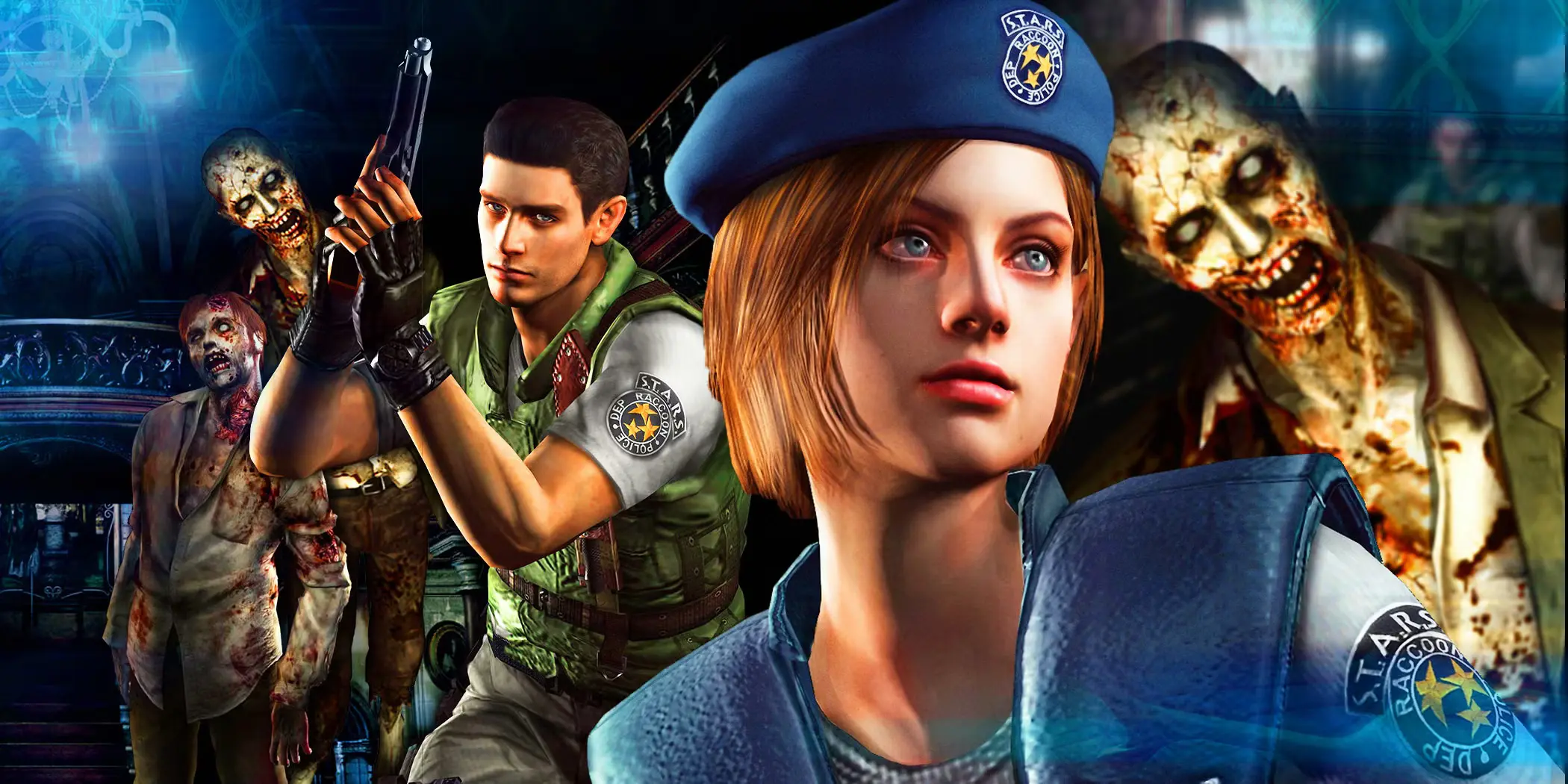
The history of Resident Evil began in 1996 with the release of the first installment on PlayStation. The project, led by Shinji Mikami, laid the foundation for survival horror in its classic form.
Fixed camera angles, limited resources, thoughtfully designed locations, and the tense atmosphere of confined spaces created a unique experience where fear stemmed not from the number of enemies, but from vulnerability in the face of the unknown.
The success was immediate. The game defined genre standards and established Capcom as one of its key developers.
How Resident Evil Changed Over the Years
Resident Evil has never stood still. Nearly every decade brought a shift in its approach to gameplay and atmosphere.
In the late 1990s, it was a slow, tense horror experience with fixed camera angles and scarce resources. Players had to conserve ammunition, avoid unnecessary confrontations, and carefully explore each location.
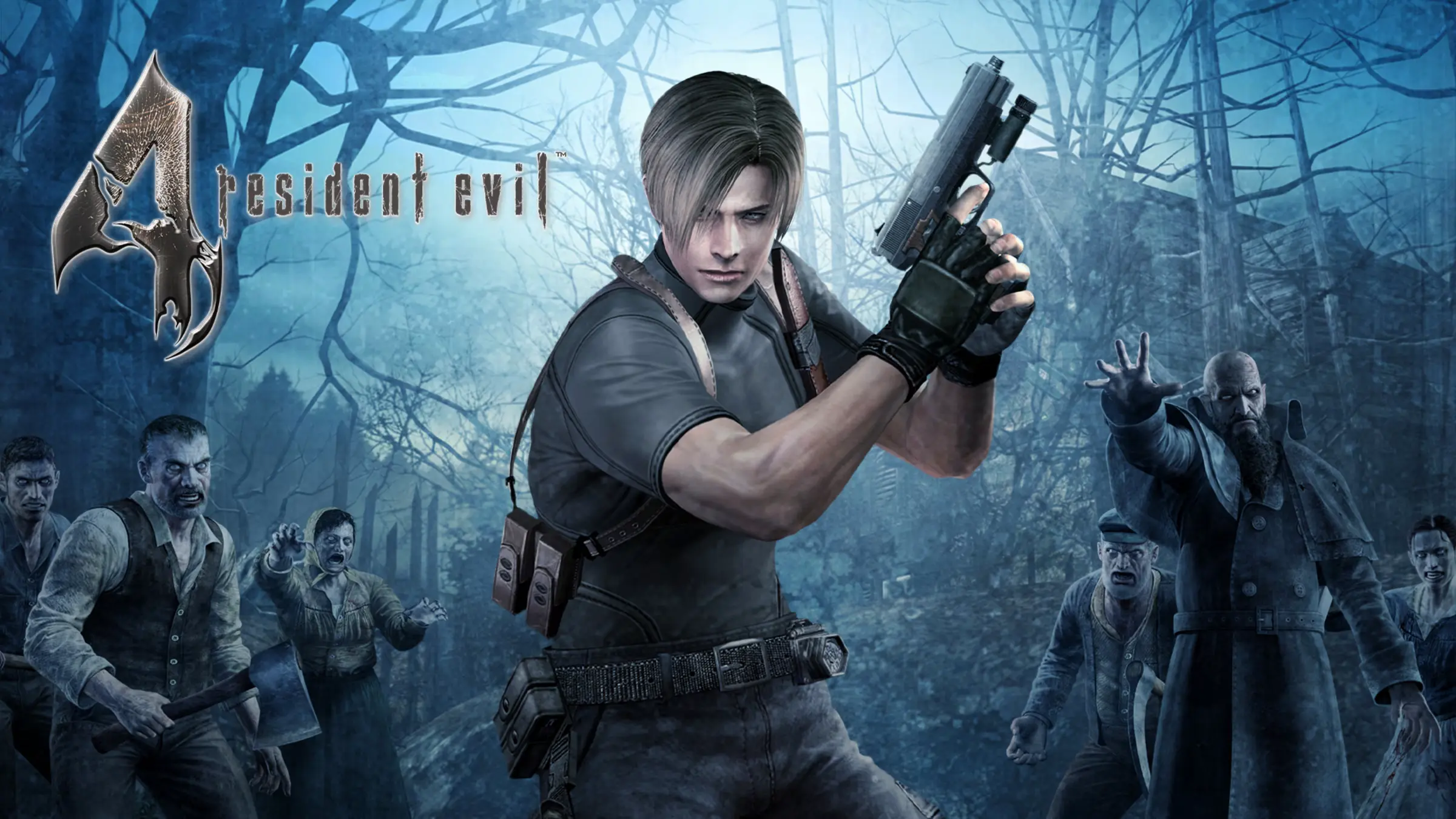
In 2005, with the release of Resident Evil 4, the camera moved behind the protagonist’s shoulder, and combat became more dynamic. The series leaned toward action — a format that dozens of other titles would later adopt.
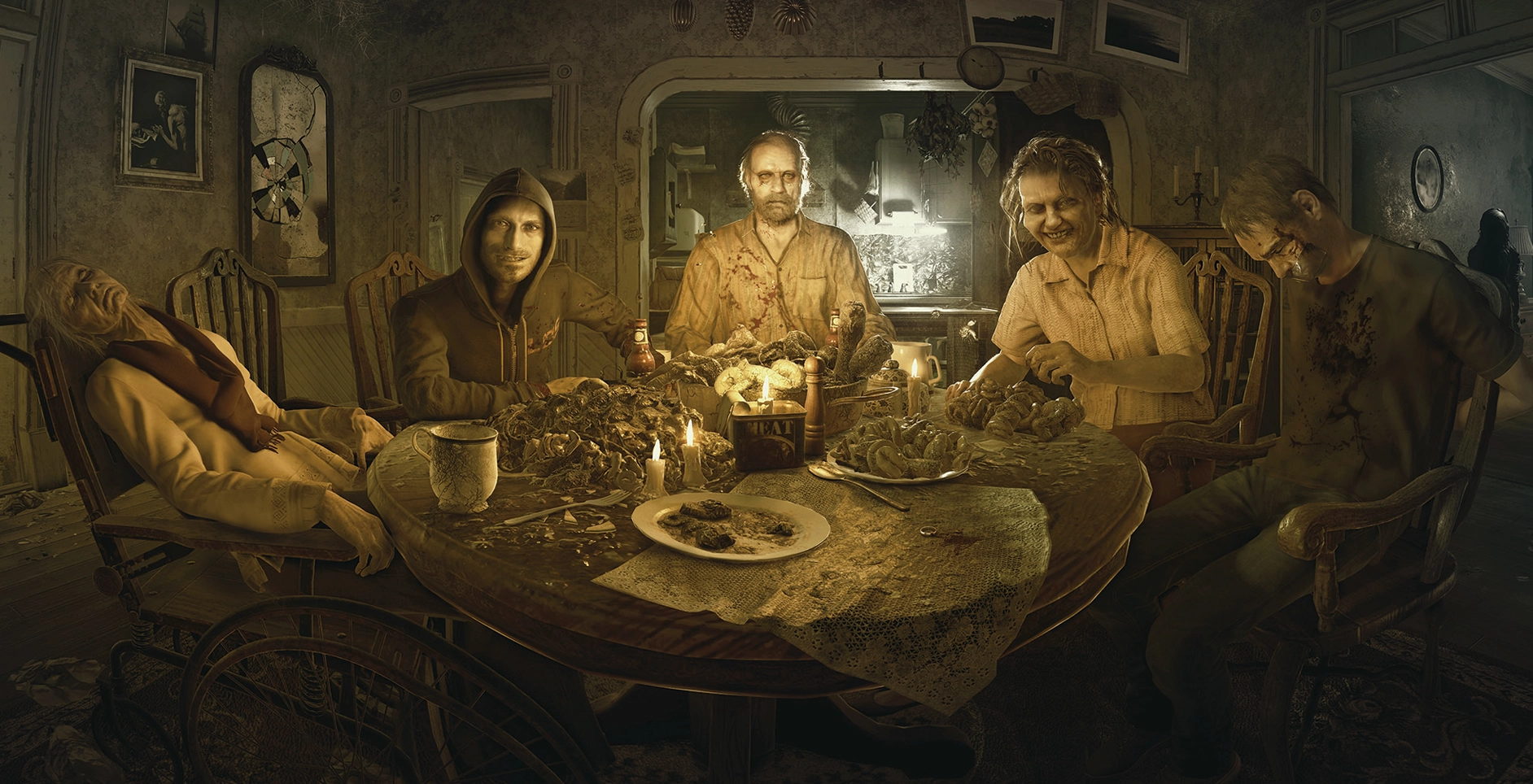
By the early 2010s, the balance had shifted too far toward action sequences, and horror elements moved into the background. In 2017, Resident Evil 7 changed direction: the first-person perspective and confined environments restored a sense of vulnerability and tension.
Since then, the series has aimed to maintain balance by combining modern technology with elements of classic survival horror. It is precisely this willingness to evolve that has allowed Resident Evil to remain relevant for nearly thirty years.
The Most Significant Entries in the Series
Resident Evil (1996)
The original PlayStation version sold 2.75 million copies.
The story unfolds near Raccoon City, where the S.T.A.R.S. unit becomes trapped in a mansion filled with mutated creatures. Players control either Jill Valentine or Chris Redfield and gradually uncover the causes of the biological catastrophe.
Resident Evil 2 (1998)
The PlayStation version sold 4.96 million copies.
The story moves to a Raccoon City consumed by an outbreak. Leon S. Kennedy and Claire Redfield attempt to escape the city while confronting the consequences of Umbrella Corporation’s experiments.
Two intersecting scenarios made the narrative structure one of the most recognizable in the series.
Resident Evil 4 (2005)
The game received numerous re-releases across different platforms and became one of the best-selling entries in the series.
Leon travels to a European village to rescue the President of the United States’ daughter. Instead of classic zombies, players face villagers infected by a parasite. The over-the-shoulder camera and more dynamic combat system had a noticeable impact on the development of action games in the mid-2000s.
Resident Evil 7: Biohazard (2017)
As of the end of 2025, the game’s sales exceeded 16.4 million copies.
The protagonist, Ethan Winters, travels to a deserted house in Louisiana in search of his missing wife. The first-person perspective and confined environments restored a sense of vulnerability and psychological tension to the series.
Resident Evil Village (2021)
Sales surpassed 13.5 million copies according to Capcom.
The story continues Ethan Winters’ journey as he finds himself in an isolated village inhabited by dangerous creatures. The game blends horror, gothic atmosphere, and larger-scale action sequences.
More Than Just Remakes
Capcom’s strategy of reimagining its classics deserves special attention.
Resident Evil 2 (2019) demonstrated how the spirit of the original could be preserved while fully modernizing controls, visuals, and narrative structure.
Resident Evil 4 (2023) reinforced this approach: the remake not only visually updated the game but also deepened its characters and atmosphere.
Thanks to these projects, the series gained a new audience, while long-time fans experienced familiar stories in a modern technical form.

Key Characters of Resident Evil
Leon S. Kennedy
First appearing in Resident Evil 2 (1998) as a young police officer arriving in Raccoon City on his first day of duty, Leon eventually becomes an experienced government agent, particularly evident in Resident Evil 4 (2005). His evolution reflects the maturation of the series itself.
Jill Valentine
One of the central figures of the original 1996 game. A member of the S.T.A.R.S. unit, composed and physically well-trained. In Resident Evil 3 (1999), she becomes the main protagonist, attempting to escape a dying city.
Claire Redfield
Appears in Resident Evil 2 (1998), traveling to Raccoon City in search of her brother. Her story continues in Resident Evil Code: Veronica (2000). Claire remains one of the most human and relatable characters in the series.
Chris Redfield
One of the main protagonists of the original game. In later entries, including Resident Evil 5 (2009) and Resident Evil Village (2021), he becomes a symbol of direct, forceful opposition to biological threats.
Albert Wesker
An antagonist who first appeared in Resident Evil (1996). Cold, calculating, and ambitious, he remains one of the most recognizable figures in the series, with his storyline reaching its climax in Resident Evil 5 (2009).

What Is Resident Evil Requiem About?
The story of Resident Evil Requiem takes place several years after the previous events of the series. The main protagonist becomes involved in the investigation of a new incident related to biological weapons.
The action begins in an isolated location where communication with the outside world is limited, and the situation quickly spirals out of control. As players progress, they uncover the causes of the outbreak and confront those responsible.
The story gradually leads to larger consequences, linking the new conflict to the series’ past.
Resident Evil Requiem + Ninja Sushi — A Perfect Match
Resident Evil is a rare example of a series that has survived multiple console generations, shifting trends, and its own experiments without losing its identity.
We believe Resident Evil Requiem is best experienced in the right atmosphere — when nothing distracts you from what’s happening on screen. With Ninja Sushi by your side, surviving every danger (at least mentally) becomes much easier. Tested and approved!