.png)


Harry Potter and the Philosopher's Stone Turns 25!
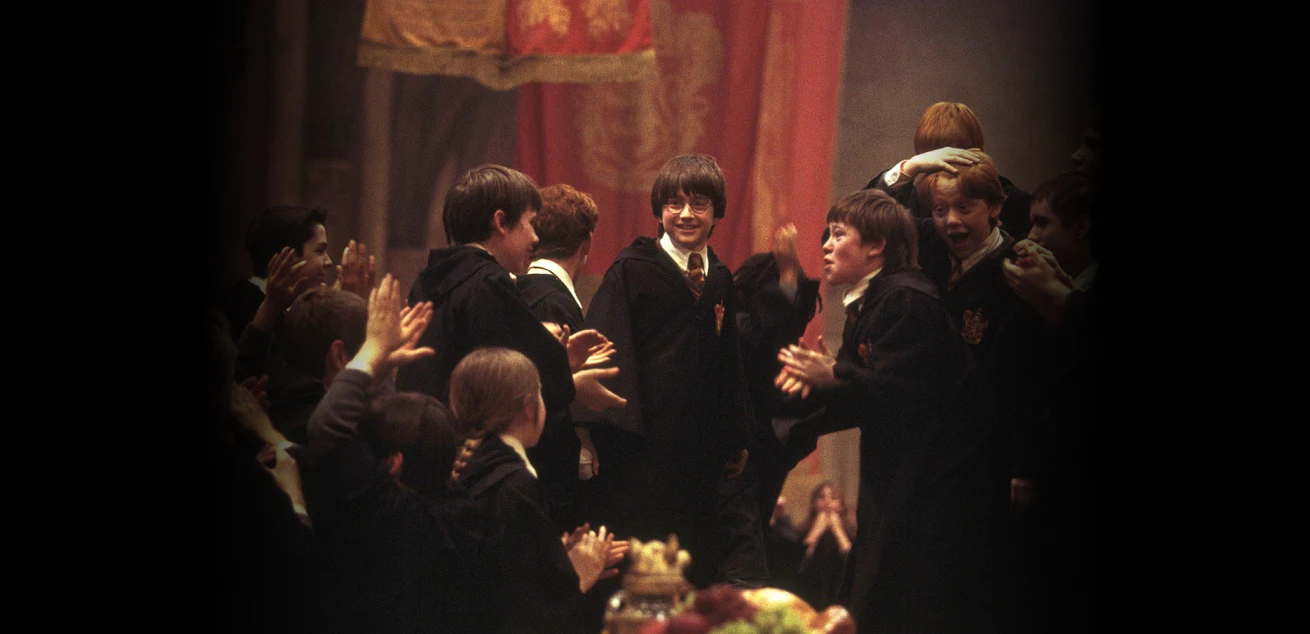
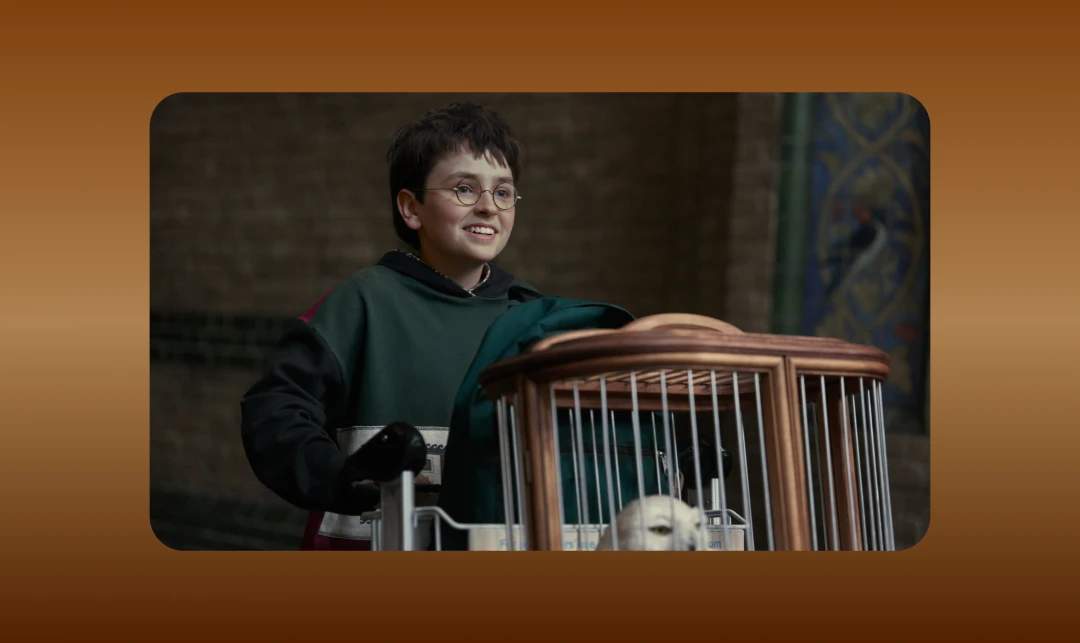
On November 16, 2001, Harry Potter and the Philosopher's Stone hit cinemas. It was the moment millions of viewers first discovered Hogwarts, met Harry, Ron and Hermione, and learned that the gateway to the wizarding world could be found at Platform 9¾.
Exactly 25 years have passed since then! An entire generation of fans has grown up, eight films have been released, and the story of the boy with the lightning-shaped scar has become one of the most famous film franchises in the world.
It feels like we know the first film by heart. But its production is full of fascinating stories. For example, someone else could have played Dumbledore, Ron landed his role thanks to a rap, and some of the special effects turned out to be more dangerous than the crew had expected.
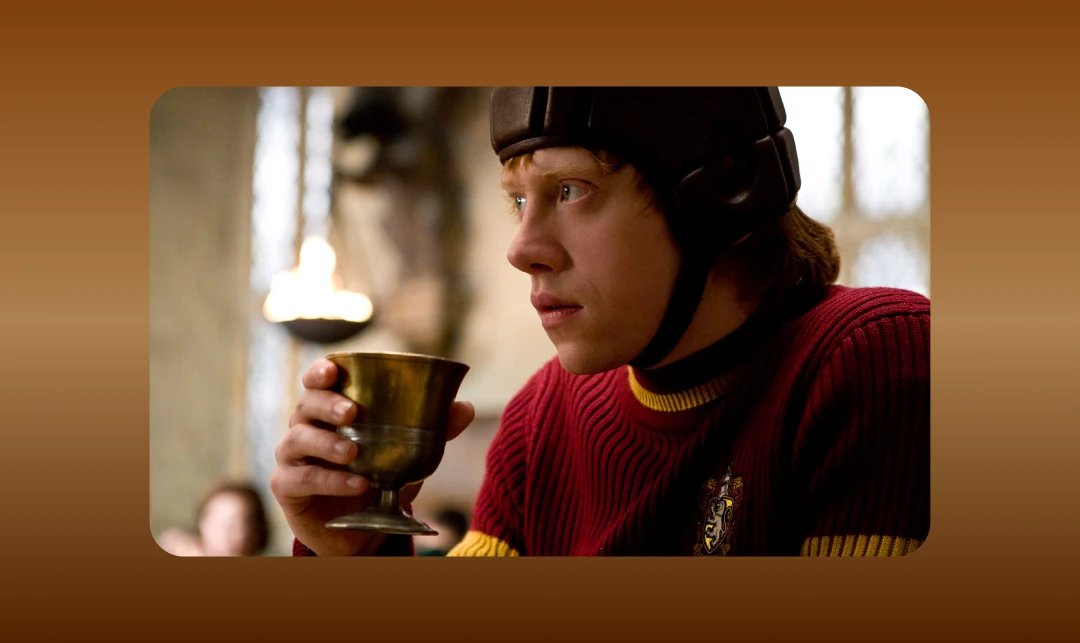
Rupert Grint Landed the Role of Ron Weasley Thanks to a Rap
From the very beginning, Rupert Grint found an unusual way to stand out from the other actors auditioning for Ron Weasley.
He recorded an audition tape featuring an original rap explaining why he should play Harry Potter's best friend.
The idea worked. Rupert landed the role and became one of the franchise's main stars for the next decade.
Interestingly, Grint was already a huge fan of the Harry Potter books before joining the cast.
Richard Harris Almost Turned Down the Role of Dumbledore
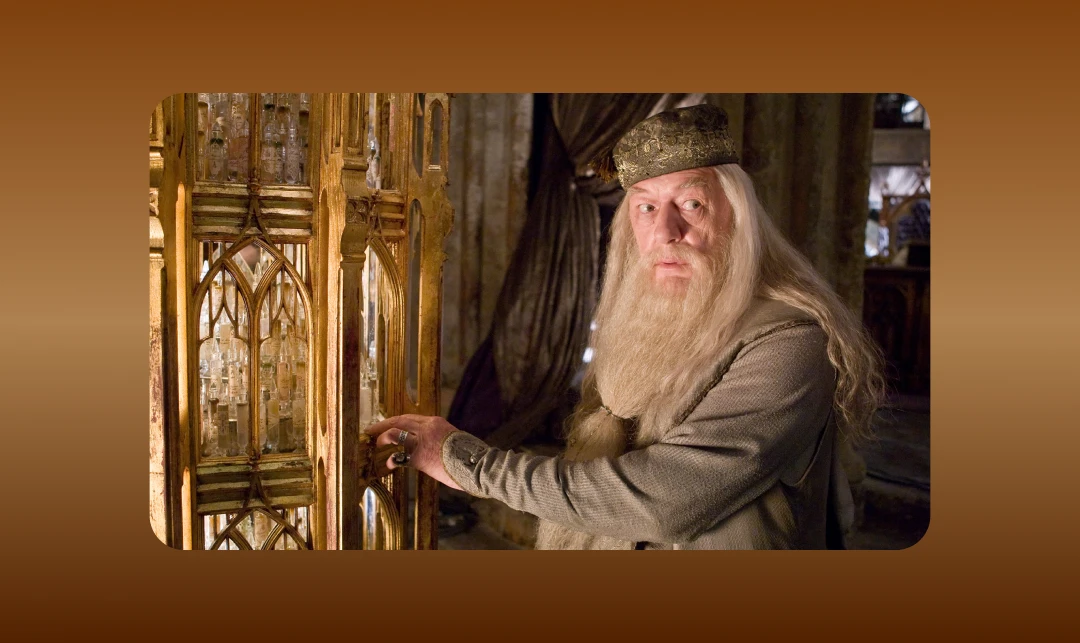
Today, it's hard to imagine the original Albus Dumbledore being played by anyone other than Richard Harris. However, the actor was initially reluctant to accept the role.
What changed his mind was his granddaughter Ella, a devoted Harry Potter fan. When she learned that her grandfather was planning to turn down the offer, she threatened never to speak to him again.
Harris eventually agreed. He portrayed Dumbledore in the first two films but passed away in October 2002. Michael Gambon took over the role from the third film onwards.
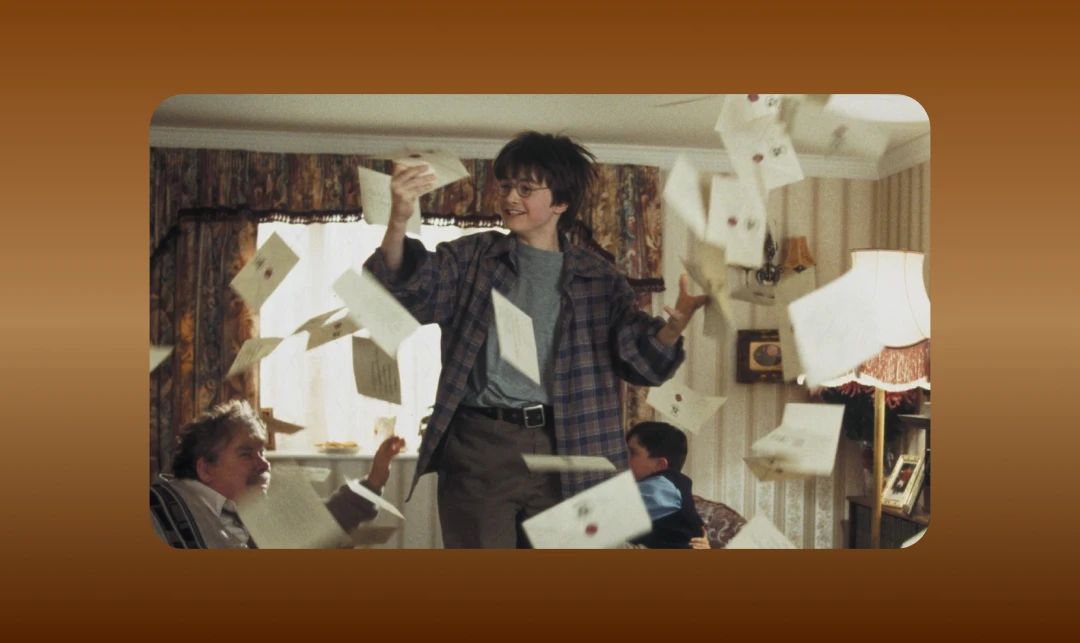
Hundreds of Envelopes Were Made for the Hogwarts Letters Scene
Remember how Uncle Vernon desperately tried to stop Harry from receiving his Hogwarts acceptance letter? The letters kept finding their way into the Dursleys' house, appearing everywhere before finally pouring out of the fireplace.
The scene was filmed using real paper envelopes and special equipment that launched them into the room. A large number of letters were produced for filming and reused across multiple takes.
The famous address on the envelope and the invitation written in green ink were created by graphic designer Miraphora Mina. It's her handwriting that viewers see on screen.
The Floating Candles in the Great Hall Nearly Caused an Accident
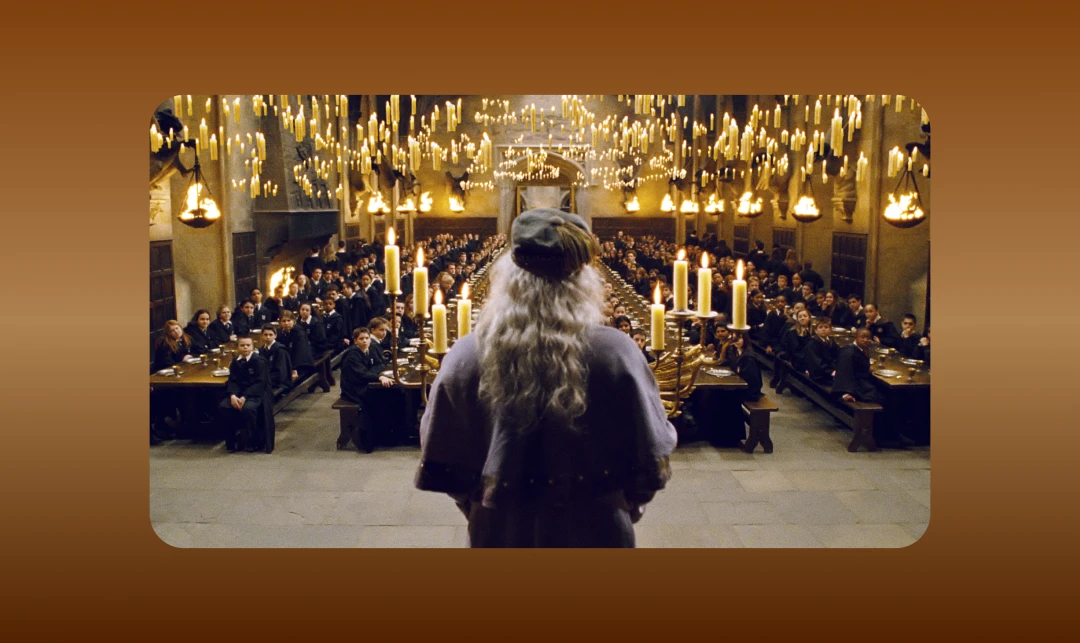
One of the most beautiful scenes in the first film is the feast in Hogwarts' Great Hall. Hundreds of candles float above the tables, while the enchanted ceiling resembles a real night sky.
But originally, the candles weren't computer-generated. The filmmakers suspended around 400 real, lit candles from thin wires.
The problem became apparent during filming. Draughts caused the flames to damage the wires, creating a risk that the candles could fall.
The crew eventually abandoned the setup and switched to computer-generated effects for later filming.
The Great Hall itself, however, was a real set with a stone floor. It was built back in 2000 and later used in six subsequent films in the series.
Why Doesn't Harry Have Green Eyes in the Films?
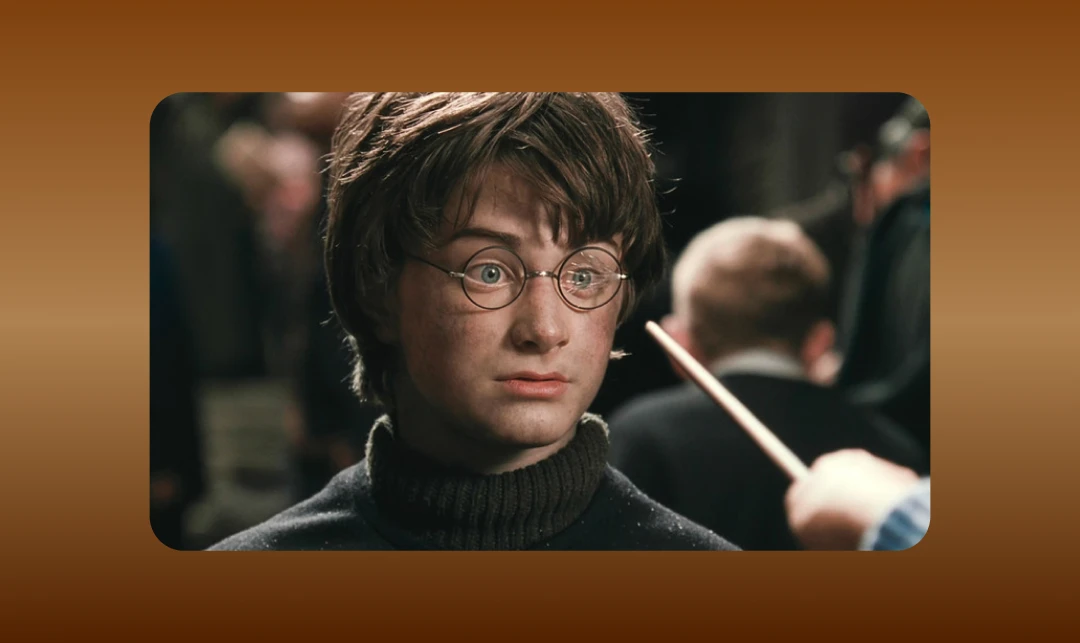
J.K. Rowling repeatedly emphasises in the books that Harry inherited his mother's green eyes. However, Daniel Radcliffe's eyes are blue.
Special green contact lenses were prepared for the actor, but on his very first day of filming, they caused severe irritation.
The filmmakers even experimented with changing his eye colour digitally, but the results looked unnatural.
In the end, they decided to leave his eyes as they were.
Incidentally, Harry's famous round glasses also caused problems for Daniel. He turned out to be allergic to the nickel contained in one of the original frames.
Emma Watson Knew the Script So Well That She Disrupted Filming
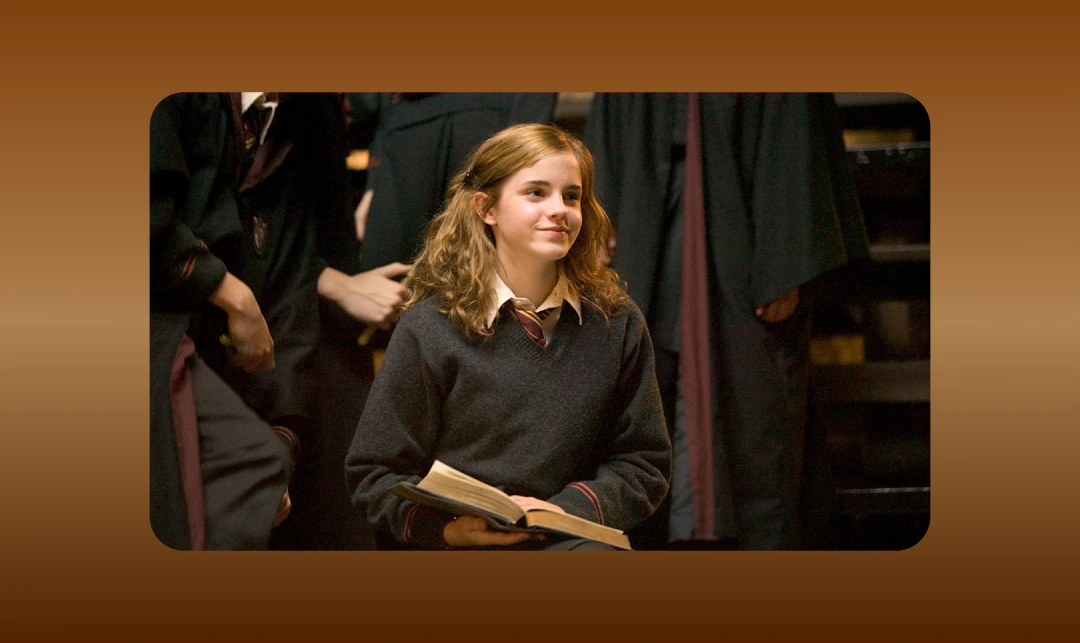
From her very first days on set, Emma Watson impressed director Chris Columbus with how well prepared she was.
The young actress had memorised not only Hermione's lines but also those of the other characters. She knew them so well that she would sometimes accidentally mouth Daniel Radcliffe's and Rupert Grint's dialogue.
The director occasionally had to stop filming and remind Emma to let the other actors deliver their own lines.
It seems Hermione was a top student both inside and outside Hogwarts!
Here's another interesting detail: the filmmakers made a set of false front teeth for Emma to make her appearance more faithful to the books. The idea was quickly abandoned because the teeth made it difficult for her to speak. However, you can still spot them in the final scene of the first film.
How Did They Create Magic Without CGI?
By 2001, computer-generated effects were already widely used in cinema, but not every magical scene was created digitally.
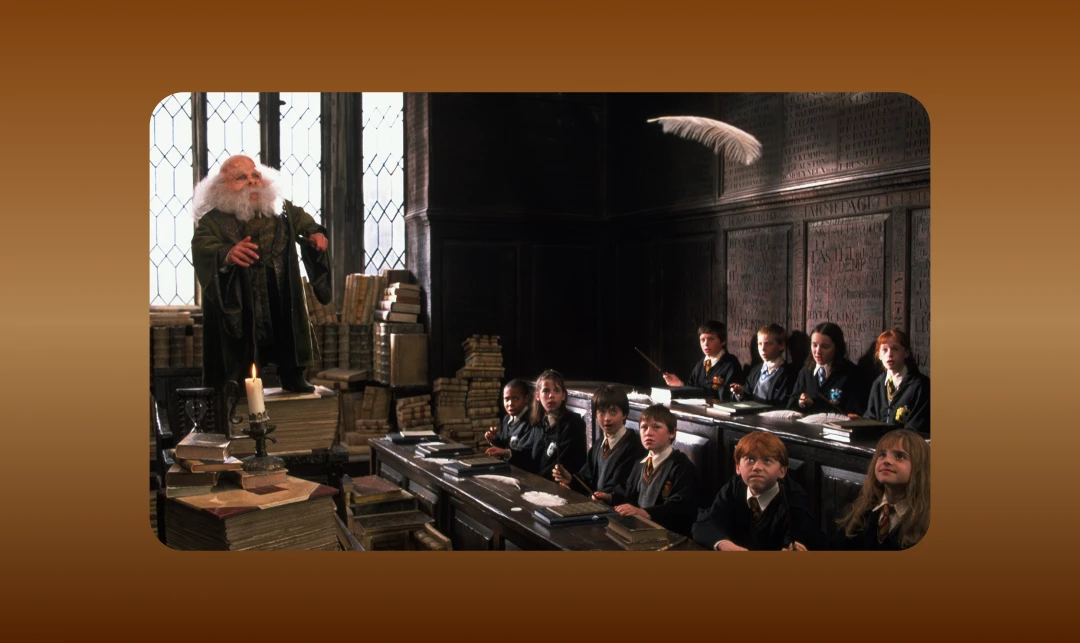
For example, the feather Hermione levitates with the Wingardium Leviosa spell was moved using a thin fishing line and a rod. A special effects technician controlled its movement from behind the camera.
For the Devil's Snare scene, in which Harry, Ron and Hermione become trapped by a living plant, the crew used mechanical tentacles and some clever editing.
First, the tentacles were pulled away from the actors. The footage was then played in reverse, making it look as though the plant was wrapping itself around the characters.
Simple techniques that still look surprisingly convincing a quarter of a century later.
A New Harry Potter Is Almost Here: What Do We Know About the HBO Series?
Twenty-five years after the first film, audiences are preparing for another journey to Hogwarts. On December 25, 2026, Harry Potter and the Philosopher's Stone will premiere on HBO and HBO Max, retelling the story of the boy who survived Lord Voldemort's attack.
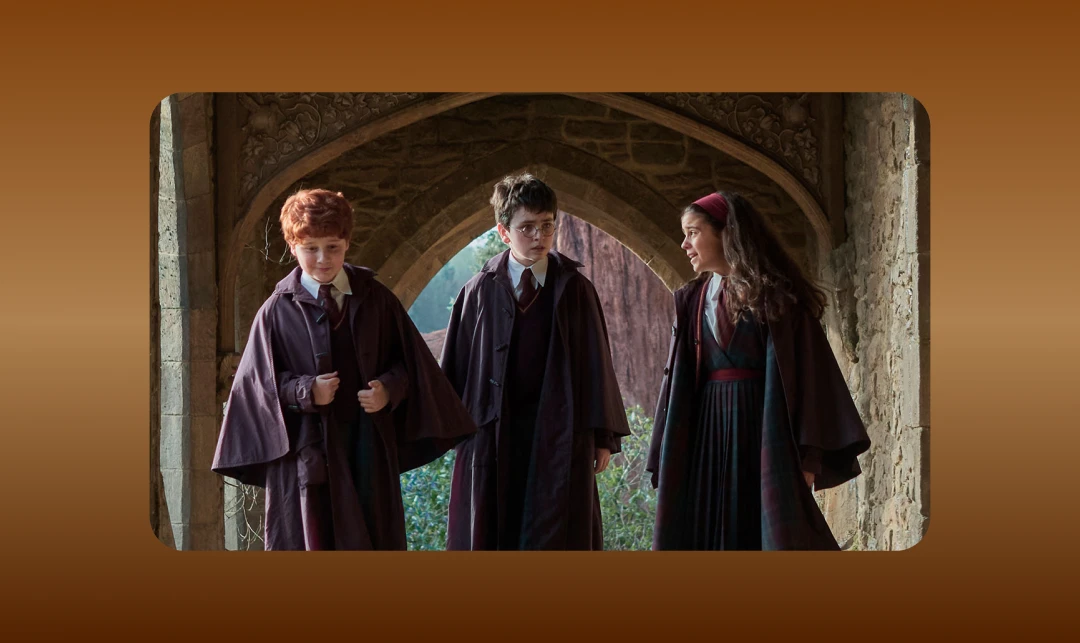
This time, Dominic McLaughlin will play Harry, Arabella Stanton will portray Hermione, and Alastair Stout will take on the role of Ron. John Lithgow has been cast as Dumbledore, Paapa Essiedu will play Severus Snape, and Nick Frost will portray Hagrid.
The biggest difference from the films is the format. The creators plan to adapt each of the seven books into its own season, giving more attention to details, characters and storylines that couldn't fit into the feature films. The first season will consist of eight episodes.
Can the new adaptation match the success of the original films? That remains to be seen. But this winter, we'll once again explore the familiar corridors of Hogwarts, watch the Sorting Ceremony and experience Harry's first introduction to the wizarding world.
Why Do We Keep Returning to Hogwarts 25 Years Later?
The first film has a special atmosphere that sets it apart from the later instalments.
There's no full-scale war against Voldemort yet, nor the heartbreaking losses awaiting the characters in the future. Instead, we get our first glimpse of Hogwarts, Chocolate Frogs, the Sorting Ceremony, spellcasting lessons, Quidditch and Christmas in the magical castle.
John Williams' music also plays a huge part. Just the opening notes of Hedwig's Theme are enough to bring back memories of Hogwarts' snow-covered towers and the train departing from Platform 9¾.
The new adaptation will introduce another generation to this story. But for many fans, the 2001 film will always remain their first journey into the wizarding world.
And today is the perfect excuse to watch Philosopher's Stone again. Settle in for a cosy evening, order your favourite sushi rolls and head back to Hogwarts. You can even try to spot all the little details we've mentioned.
And one last question: which Hogwarts house would the Sorting Hat choose for you?